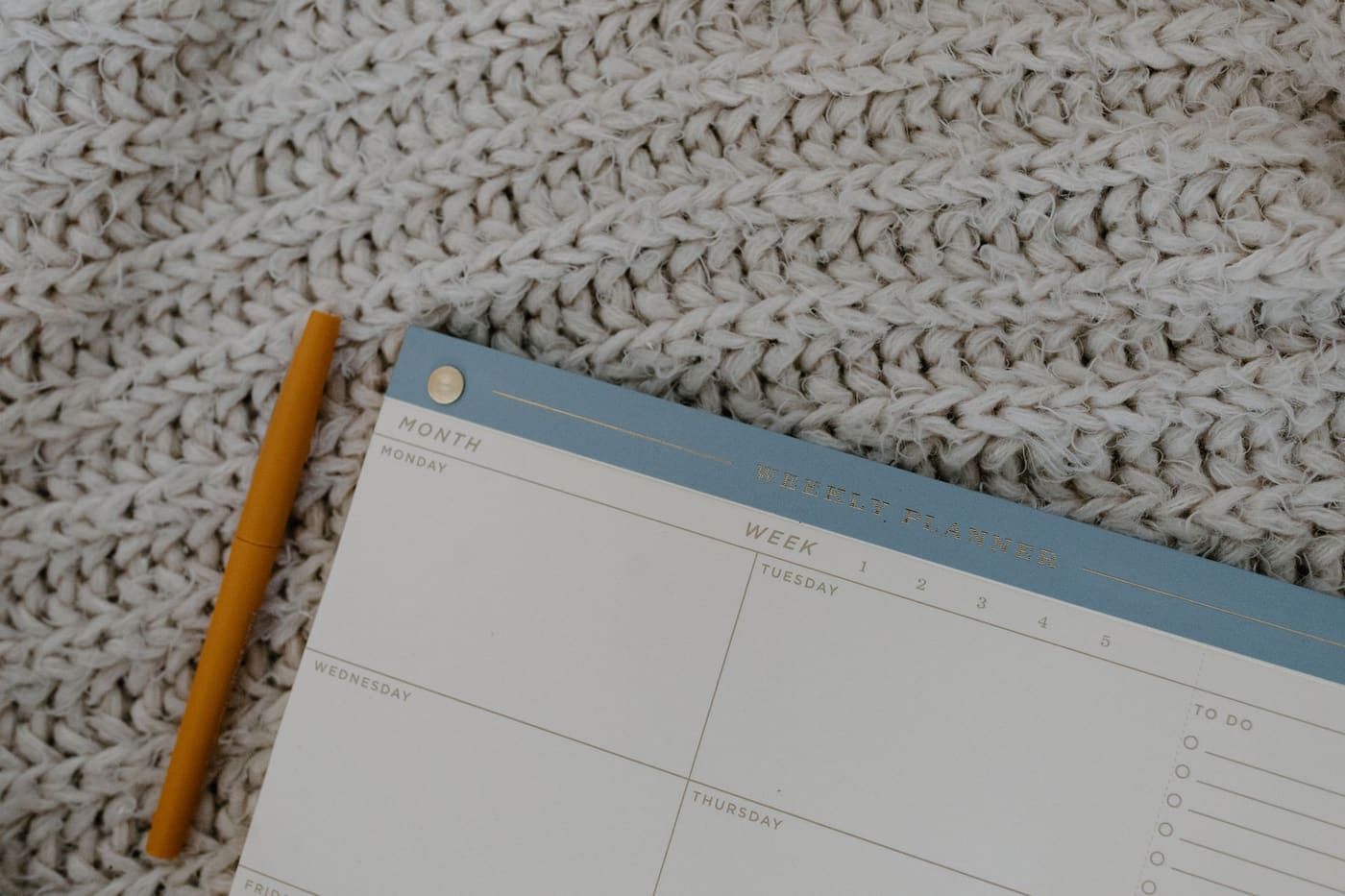
Clean weekly anything that touches food, bodies, or floors, and clean monthly the things that collect slow buildup but do not affect daily hygiene. Weekly means bathrooms, kitchen surfaces, floors, bedding, trash bins, and dusting visible surfaces. Monthly means the inside of the fridge, appliance filters, baseboards, vents, mattress and upholstery care, and the neglected corners that weekly cleaning skips.
The point of splitting the list is protection against overload. When every task lands in the weekly routine, it takes hours and you stop doing it. When the monthly jobs are left unscheduled, grease, dust, and mineral deposits accumulate until you face a deep clean. Below is a practical split, with rough time estimates and a way to adjust it for your own home.
How to decide what goes where
A task belongs in the weekly layer if skipping it for two weeks causes a visible, hygienic, or functional problem. It belongs in the monthly layer if skipping it for a week changes nothing noticeable, but skipping it for several months does.
Ask three questions about any task:
- Does it involve food, bodily fluids, or moisture? Kitchens and bathrooms get dirty fast and carry more hygiene risk, so these are weekly.
- How fast does it visibly return? Floors and counters show dirt within days. Baseboards take months.
- Does it affect how the home functions or smells? Trash, laundry, and dishes are not optional; filters and vents slowly affect air quality and appliance performance.
Households with pets, children, allergies, or heavy cooking move more tasks into the weekly column. A home with two adults who eat out often can push some to monthly. The schedule is a starting point you adjust.
The weekly list
A weekly routine takes about an hour or so in a typical home, and it is easier when split across several days. These time figures are rough planning estimates, not measured standards.
Kitchen (20 to 30 minutes)
- Wipe counters, stovetop, and the table.
- Clean the sink and faucet.
- Wipe cabinet fronts and handles that are sticky.
- Clean the microwave interior: heat a bowl of water for a few minutes, let it sit with the door closed, then wipe.
- Empty the fridge of expired leftovers before trash day.
- Sweep and mop the floor.
- Wash dishcloths and dish towels on a hot cycle, and replace the sponge if it smells or is breaking down.
Bathrooms (15 to 25 minutes each)
- Scrub the toilet bowl and wipe the seat, lid, and base.
- Clean the sink, counter, and mirror.
- Wipe down the shower or tub, using a squeegee if you have one.
- Wash or replace towels and the bath mat.
- Empty the trash and sweep or mop the floor.
Living areas and bedrooms (20 to 30 minutes)
- Vacuum high-traffic floors and rugs.
- Dust visible surfaces with a damp microfiber cloth.
- Wash bedding weekly or every second week, depending on your household.
- Pick up clutter and return items to their zones.
- Wipe door handles and light switches.
Whole home
- Take out all trash and recycling, and rinse out the kitchen bin if it smells.
- Finish laundry cycles so clean clothes do not pile up.
For more on keeping that daily layer manageable, see keeping a home cleaner without spending all day cleaning.
The monthly list
Monthly tasks take roughly one to two hours in total if spread over four weekends or a few evenings. Do one or two per week and the list never feels heavy.
| Task | Time | Notes |
|---|---|---|
| Inside the fridge | 15 to 20 min | Remove shelves, wipe with warm soapy water, check dates |
| Oven or toaster oven | 15 to 30 min | Follow the manual; ventilate if using chemical cleaner |
| Dishwasher filter and gasket | 10 min | Rinse the filter, wipe the door seal |
| Range hood filter | 10 min | Soak in hot water and dish soap if the manual allows |
| Washing machine | 10 min plus cycle | Wipe the door gasket and run the cleaning cycle your manual suggests |
| Baseboards and door frames | 15 to 20 min | Damp cloth, working around the room |
| Vents and ceiling fan blades | 10 to 15 min | Dust with a cloth or vacuum brush; turn the fan off first |
| Mattress and upholstery | 15 min | Vacuum, spot clean, and let air dry |
| Windows and glass doors | 20 to 30 min | Interior glass, plus sills and tracks |
| Tub and sink drains | 10 min | Remove hair, flush with hot water |
| Trash cans and recycling bins | 10 min | Wash with soap and rinse, let dry |
| Shower curtain or liner | 5 min plus wash | Follow the care label, or replace |
Not everything here needs to be monthly in every home. Fridge shelves in a busy family kitchen may need attention more often, while a rarely used guest bathroom can slide. If you are not sure, start with monthly and adjust after you see how fast dirt returns.
Quarterly and seasonal jobs
A few tasks do not fit a monthly rhythm and are better as quarterly or twice-yearly items:
- Washing curtains and blankets, following the care label.
- Cleaning behind and under large appliances. Pull appliances out carefully, and never move a gas range yourself if it is connected to a rigid gas line.
- Vacuuming under furniture and rotating the mattress, if the manufacturer recommends it.
- Dryer vent and housing. The US Consumer Product Safety Commission advises cleaning the lint filter before or after every load and making sure the exhaust vent pipe is not restricted and the outdoor flap opens when the dryer runs. If airflow seems poor or you cannot reach the duct, a professional vent cleaning is worth considering.
- Testing smoke alarms. The CPSC and the National Fire Protection Association both advise testing smoke alarms monthly. Follow the manufacturer’s directions for carbon monoxide alarms and for battery or alarm replacement.
- Descaling the kettle, coffee maker, and showerheads, using the maker’s recommended descaler or diluted white vinegar where the manual allows it.
For the deeper, less frequent jobs, the guide to what to focus on when deep cleaning a home helps you prioritize without exhausting yourself.
Build a schedule you can actually follow
The best schedule is one that fits your week. Spread tasks across days to keep each session short.
- Pick a daily baseline: dishes, counters, trash, and a quick pickup.
- Assign one or two weekly jobs to each day. For example, Monday bathrooms, Tuesday kitchen deep wipe, Wednesday floors, Thursday bedrooms and bedding, Friday trash and fridge, with the weekend left lighter.
- Rotate monthly jobs through the weeks. Week 1: fridge and oven. Week 2: baseboards and vents. Week 3: windows and mattresses. Week 4: appliances and bins.
- Put it on a calendar or phone reminder and tick tasks off. A visible checklist helps if you share chores.
- Track what slips. If a task keeps being skipped, it may not matter, or it needs a better time slot.
If you live with others, split by zone or by task type and keep it written down. Weekly and monthly lists work well on a fridge-door chart.
Do not overload the weekly list
The most common mistake is a weekly list that is too long. Adding baseboards, windows, and drawers turns the routine into a half-day job, and a routine that is too ambitious tends to collapse after a few weeks.
Warning signs:
- You regularly skip the same tasks.
- Weekly cleaning takes more than two hours.
- You feel dread on cleaning day.
The fix is to move low-visibility items to monthly, shorten tasks, and lower the standard. A weekly clean should leave the home comfortable and sanitary, not spotless. If you are short on time on a given day, the framework in what to clean when you only have 20 minutes shows what to keep.
Safety notes for monthly cleaning
Monthly jobs involve more chemicals, ladders, and appliances than weekly ones, so a few precautions matter:
- The CDC says never to mix bleach with ammonia or any other cleaner, and acids such as vinegar also react with bleach. Use one product at a time, rinse between them, and ventilate.
- Wear gloves and eye protection with oven cleaner or other caustic products.
- Use a stable step stool for ceiling fans and high vents. Do not stand on chairs or the top rung of a ladder, and ask for help when a job is above comfortable reach.
- Switch off and unplug appliances before cleaning near wiring, and leave electrical repair to a licensed electrician.
- In homes built before 1978, do not scrub or sand old painted surfaces without checking for lead paint.
To spread the tasks across your week, use the weekly schedule builder and weekly cleaning checklist.
Where this comes from
The dryer-vent and smoke-alarm advice comes from the US Consumer Product Safety Commission, with the monthly alarm test also matching the National Fire Protection Association’s recommendation. The advice on mixing cleaners comes from the Centers for Disease Control and Prevention. The weekly and monthly splits are common household practice, not research findings, and the times shown are planning estimates. Appliance manuals and product labels set the real instructions, and recommendations change, so check them directly.