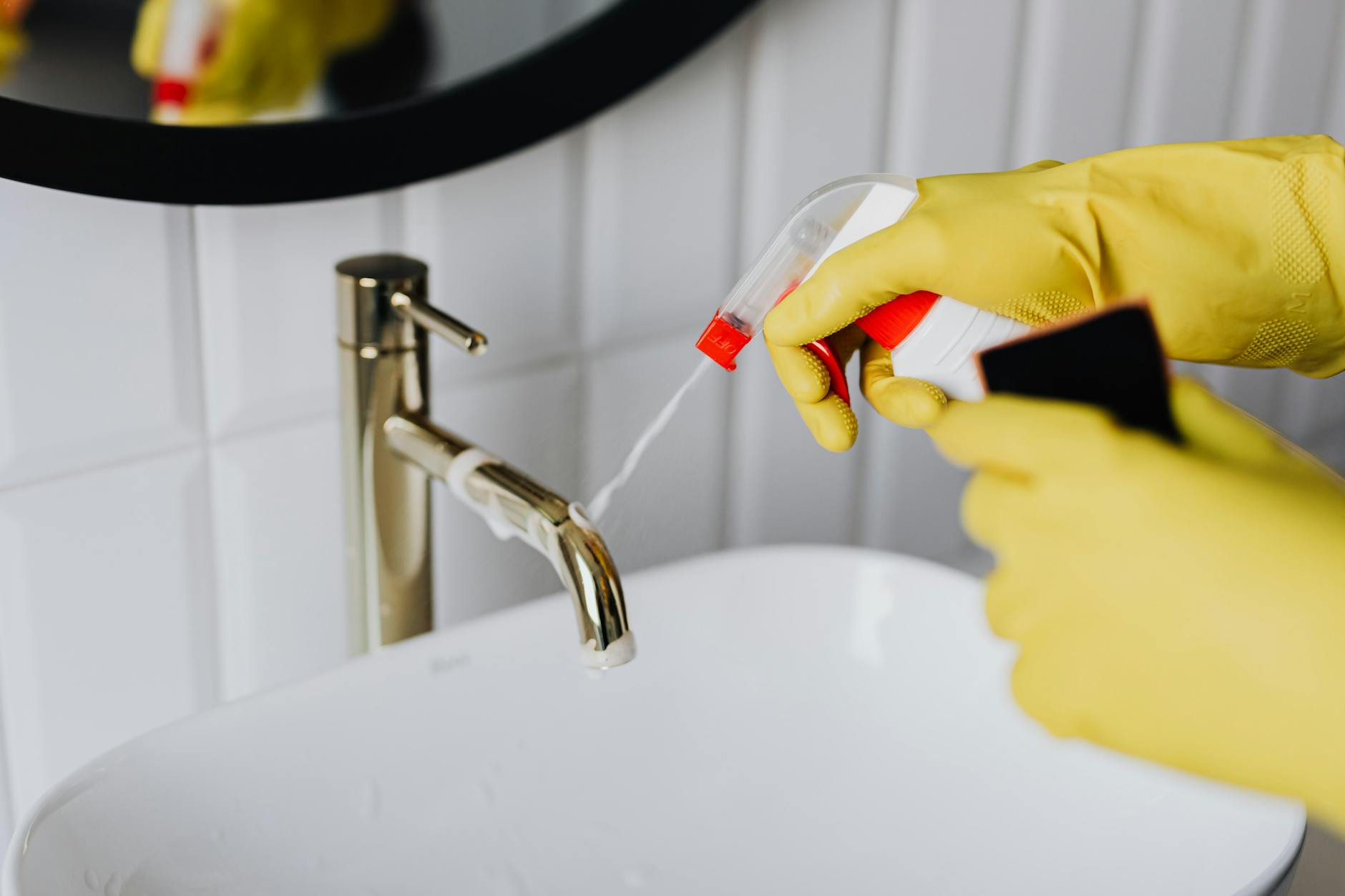
When deep cleaning a home, focus on the kitchen, bathrooms, floors, and the dust and grime that regular cleaning skips: appliance interiors, vents and filters, baseboards, mattresses and upholstery, and the spots behind and under furniture. These areas collect the most grease, moisture, dust, and visible dirt, so they change how the home looks, smells, and feels more than anything else.
A deep clean is a periodic reset, often done once or twice a year and sometimes after a move, an illness, or a renovation. Without a plan it turns into a scattered, exhausting weekend. The approach below sets priorities, shows how to break the home into zones, and covers the safety points that matter when you are using stronger products and reaching into overlooked places.
Declutter before you scrub
You cannot clean what you cannot reach. Spend the first stretch of a deep clean removing clutter, not cleaning. Collect trash, items to donate, things that belong in other rooms, and anything broken or expired. Clear surfaces and floors in the zone you are about to clean.
This step cuts total cleaning time. Wiping an empty shelf is much quicker than wiping one crowded with objects. If clutter is the main obstacle, the guide to organizing a home so it stays easier to clean offers a sorting system and storage approaches.
The high-impact areas, ranked
If you have limited time or energy, work down this list. Each item gives a lot of improvement for the effort. The times are rough planning figures that vary a lot with the size and condition of the home.
| Priority | Area | What to do | Typical time |
|---|---|---|---|
| 1 | Kitchen | Degrease stovetop, hood filter, cabinet fronts; clean fridge and oven interiors; wipe appliance fronts | 2 to 4 hours |
| 2 | Bathrooms | Descale fixtures, scrub grout, clean the tub or shower, drains, exhaust fan cover, and behind the toilet | 1 to 2 hours each |
| 3 | Floors | Vacuum thoroughly, including edges and under furniture; mop hard floors; clean grout if needed | 1 to 2 hours |
| 4 | Dust zones | Ceiling fans, vents, light fixtures, tops of cabinets, baseboards, door frames, window sills | 1 to 2 hours |
| 5 | Soft surfaces | Vacuum and spot clean the couch; vacuum the mattress; wash pillows, curtains, and throws | 1 to 2 hours plus drying |
| 6 | Windows and glass | Interior glass, sills, and tracks | 1 to 2 hours |
| 7 | Hidden zones | Behind and under appliances and furniture, inside closets, and the garage or entry | As time allows |
Perfection in every drawer is a low priority. The kitchen, bathrooms, and floors affect hygiene and appearance every day, so finish those before touching storage zones.
Break the job into zones
Doing the whole house at once leads to burnout. Zone cleaning lets you stop and restart without losing progress.
- Choose zones: One room, or one part of a room, such as the stove area, counters, or the shower.
- Work top to bottom: Ceiling fans and light fixtures first, then shelves and walls, then furniture, then floors. Dust and debris fall down.
- Work dry to wet: Dust and vacuum first, then apply cleaners and mop.
- Work clockwise around a room so you do not skip areas.
- Finish a zone before starting another. A finished zone gives you a sense of progress, and you can close the door.
A realistic pace is one or two zones per day over a week or two, or a single zone per weekend session. A whole-house deep clean is a multi-day effort, so plan for that instead of squeezing it into one afternoon.
Kitchen: grease and food residue
The kitchen usually needs the most deep-clean time because grease builds up quietly.
- Fridge: Take out shelves and drawers, wash with warm soapy water, dry, and wipe the interior. Check dates and toss expired items. Wipe door gaskets, which collect crumbs and mold.
- Oven: Use the manual’s recommendation. Self-cleaning cycles run very hot and can give off fumes that are harmful to pet birds, so ventilate and keep birds in another room. A paste of baking soda and water left overnight is a gentler option, and chemical oven cleaners need gloves, eye protection, and good airflow.
- Range hood and filter: Soak the metal mesh filter in hot water and dish soap if the manual allows, scrub with a soft brush, and rinse. Wipe the hood’s underside and exterior.
- Cabinet fronts, tops, and handles: Use a degreasing cleaner on a cloth rather than spraying directly, and dry wood surfaces right away.
- Dishwasher: Clean the filter and the door gasket, then run a cleaning cycle per the manual.
- Microwave, small appliances, and sink: Steam and wipe the microwave, descale the kettle and coffee maker, and scrub the sink and drain.
The sequence for everyday kitchen upkeep is in the guide to cleaning a kitchen faster and more effectively.
Bathrooms: scale, soap scum, and mildew
Bathrooms need two types of cleaner: an alkaline or surfactant cleaner for soap scum and body oils, and a mild acid for mineral deposits. Use them separately, rinse between them, and never combine bleach with ammonia or acids.
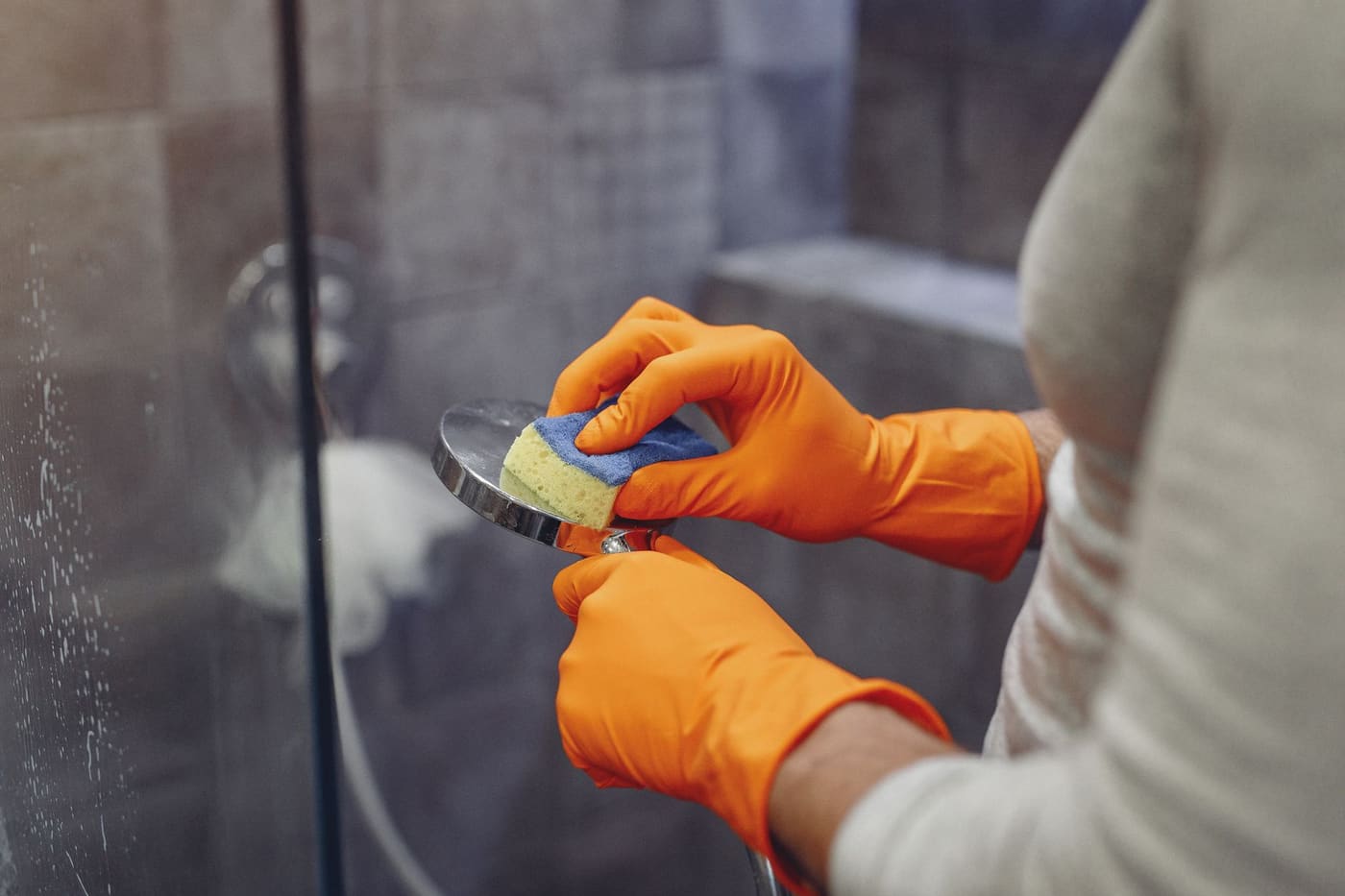
- Soak showerheads in diluted white vinegar in a bag for an hour if the finish allows, then scrub the nozzles.
- Scrub grout with a stiff nonmetal brush and a cleaner suited to your tile. Avoid acids on natural stone and unsealed grout.
- Replace failing caulk around the tub or sink.
- Clean the exhaust fan cover. Turn off the fan at the switch first, wipe the grille, and do not touch wiring.
- Wash the shower curtain, mats, and bins.
- Clean drains by removing hair and flushing with hot water. Do not pour drain chemicals on top of other cleaners.
Ongoing prevention is covered in keeping a bathroom clean with less effort.
Floors, soft surfaces, and dust
Floors take a beating and are visible. Vacuum with attachments along edges and under furniture, then mop hard floors according to the finish: damp mopping with a cleaner the flooring maker recommends for wood and laminate, and never soaking them. Rugs benefit from thorough vacuuming on both sides. Carpets may need a rental or professional hot water extraction, and drying can take several hours.
For soft furnishings:
- Mattress: Strip it, vacuum the surface and seams, spot-treat stains with a small amount of mild detergent solution, and let it air dry fully. Rotate it if the manufacturer recommends.
- Couch: Vacuum under the cushions and along crevices. Check the care tag code before using water-based cleaners.
- Curtains and pillows: Wash according to the label, and check whether pillows can go in the dryer.
For dust, use a damp microfiber cloth or a vacuum brush and work high to low. Reach ceiling fans and high shelves with an extendable duster or a pillowcase slid over each blade to catch the dust. Use a stable step stool, keep three points of contact, and do not stand on furniture or a chair back.
Safety and when to hire a professional
Deep cleaning exposes you to chemicals, dust, and heights. A few rules:
- Read labels and use one product at a time. The CDC says never to mix bleach with ammonia or any other cleaner, and acids such as vinegar also react with bleach.
- Ventilate the room, wear gloves, and use eye protection with oven cleaners and spray products.
- Use a respirator-style mask only when it is appropriate for the task and fitted correctly, and keep pets and children out of the area.
- Turn off and unplug appliances before cleaning near their wiring. Do not take apart electrical parts or work on gas lines or gas appliance connections.
- In homes built before 1978, avoid scraping or sanding old paint without lead testing. Some older flooring, ceiling texture, and insulation can contain asbestos. Leave suspect materials intact and call a qualified professional for testing.
Consider hiring help for:
- Mold covering more than about 10 square feet, which is the EPA’s threshold for seeking professional advice, or recurring mold that signals a leak.
- Ducts and dryer vents, especially if airflow is poor.
- High windows, chimneys, and roof or gutter cleaning, which involve falls.
- Carpets and upholstery that need extraction beyond what you can rent.
- Post-construction or post-flood cleaning.
Make the deep clean last
A deep clean is easier to maintain than to repeat. Afterward, keep up weekly basics and monthly extras so the buildup does not return. The weekly versus monthly cleaning breakdown gives you a split to follow. Repeat the deep clean once or twice a year, and in between do one zone at a time when you notice it needs attention.
To work through it room by room, use the deep clean priority list.
Where this comes from
The advice on mixing cleaners comes from the Centers for Disease Control and Prevention’s guidance on household bleach, and the mold size threshold comes from the US Environmental Protection Agency’s brief guide to mold, moisture, and your home. The deep-clean priorities and time ranges are common cleaning practice and rough planning figures, not research findings. Appliance manuals and product labels set the real instructions, and costs and local rules change, so check them directly.